
Employee Uniform Guide: Custom Apparel for Your Team
Build an effective employee uniform program with custom apparel. Learn about garment selection, decoration methods, sizing logistics, and cost management.
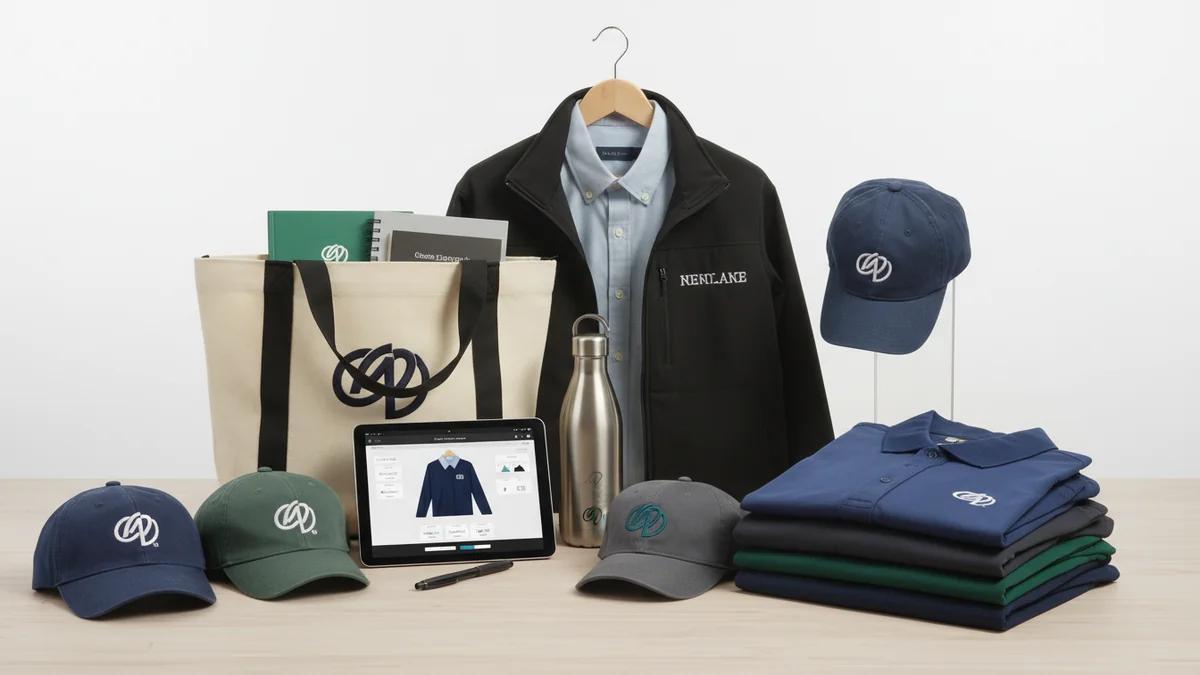
Why Employee Uniforms Matter
Employee uniforms do more than create a professional appearance. They build team identity, eliminate daily wardrobe decisions, ensure brand consistency across locations, and serve as walking advertisements for your business. A well-designed uniform program communicates professionalism to customers and belonging to employees.
This guide walks you through every step of building a custom apparel program for your team, from selecting the right garments to managing sizing, budgets, and reorders.
Choosing the Right Garments for Your Industry
| Industry | Core Items | Optional Add-Ons |
|---|---|---|
| Retail / Customer Service | Polos, name badges | Aprons, bandanas |
| Outdoor / Construction | Hi-vis tees, work pants | Windbreakers, beanies |
| Office / Corporate | Button-downs, blazers | Compression socks (wellness perk) |
| Fitness / Wellness | Compression shirts, tanks | Rash guards |
| Food Service | Chef coats, aprons, hats | Non-slip shoe covers |
| Events / Hospitality | Polos, windbreakers | Slippers (hotel staff) |
Building Your Uniform Program Step by Step
Step 1: Define Your Dress Code
Before ordering anything, document exactly what you need. How many different roles need different uniforms? What is the dress code for customer-facing versus back-of-house staff? Are there safety requirements like hi-vis or flame-resistant fabrics? Writing this down prevents costly mistakes later.
Step 2: Select Your Core Pieces
Start with two to three essential items that cover your team's daily needs. A typical starting kit might include:
- Two to three branded polos or t-shirts per employee for daily rotation
- One outerwear piece like a windbreaker jacket or hoodie
- One seasonal accessory like a beanie for winter
Step 3: Collect Accurate Sizes
Sizing logistics are the most common pain point in uniform programs. Here are proven strategies:
- Use a size sample set: Order one of each size in your selected garment and let employees try them on before you place the bulk order.
- Provide detailed size charts: Send measurement-based size charts rather than relying on generic S/M/L descriptions.
- Build in a buffer: Order 10 to 15 percent extra in common sizes (M, L, XL) for new hires and replacements.
Step 4: Choose Your Decoration Method
The right decoration method depends on your garment choice, logo complexity, and budget. Here is a quick comparison:
| Method | Durability | Look | Best Garments | Per-Unit Add |
|---|---|---|---|---|
| Embroidery | Excellent | Premium, textured | Polos, jackets, hats | $3 - $8 |
| Screen Printing | Very Good | Bold, flat | T-shirts, hoodies | $2 - $5 |
| Heat Transfer | Good | Smooth, detailed | Performance wear | $3 - $6 |
For workwear that needs to survive frequent industrial laundering, embroidery is the most durable option. For a detailed comparison, read our Screen Printing vs. Embroidery Guide.
Step 5: Establish a Reorder System
Uniforms wear out, new employees join, and sizes change. Set up a quarterly or semi-annual reorder schedule to keep your team looking sharp. Many businesses designate a uniform coordinator who manages sizing, inventory, and orders.
Budgeting for Employee Uniforms
Per-Employee Annual Costs
| Program Level | Items Per Employee | Annual Cost |
|---|---|---|
| Basic | 3 polos or tees | $25 - $50 |
| Standard | 3 shirts + 1 jacket | $60 - $120 |
| Premium | 3 shirts + jacket + accessories | $100 - $200 |
Cost-Saving Tips
- Order in bulk: Combine orders across locations or departments to hit higher quantity price breaks.
- Limit color options: Fewer colorways mean larger quantities per SKU, which drives down per-unit costs.
- Phase your rollout: Start with essential items and add pieces in subsequent orders as budget allows.
- Use versatile designs: A logo that works on both dark and light garments gives you more flexibility without needing separate artwork.
Legal and Policy Considerations
A few important things to keep in mind when implementing a uniform program:
- Cost responsibility: In many states, employers must pay for required uniforms. Check your local labor laws.
- Maintenance: If uniforms require special care (dry cleaning, specific washing), employers may need to provide a maintenance allowance.
- Accommodation: Ensure your uniform policy accommodates religious, cultural, and accessibility needs.
- Return policy: Establish clear guidelines for returning uniforms when employees leave the company.
Real-World Uniform Program Examples
Small Retail Shop (10 employees)
Three embroidered polos per employee in company colors, plus one branded windbreaker for outdoor duties. Total annual investment: approximately $800 to $1,200.
Mid-Size Service Company (50 employees)
Three screen-printed t-shirts, one embroidered polo, one windbreaker jacket, and one beanie per employee. Total annual investment: approximately $5,000 to $8,000.
Getting Started
Request a free quote for your employee uniform program. Share your team size, preferred garments, and logo details, and our team will build a customized proposal with mockups and pricing within one business day.
For broader insights on branded clothing, explore our Complete Guide to Custom Apparel for Businesses and our Corporate Gift Ideas for Employee Appreciation guide.
Ready to Order Custom Promotional Products?
Get professional mockups and bulk pricing within 24 hours
Get Your Free QuoteRelated Articles
Custom Sports Equipment and Outdoor Gear for Teams, Events, and Brands
The ultimate guide to branded sports equipment and outdoor gear. From stadium cushions to yoga mats, discover how custom athletic products boost team spirit, event engagement, and brand visibility.

Back-to-School Promotional Products for Education Brands
Education brands, schools, and tutoring centers can boost visibility with the right back-to-school promotional products. Find practical, budget-friendly items students and parents love.
Custom Graduation Stoles and Sashes: Ordering Guide for Schools
Everything schools and organizations need to know about ordering custom graduation stoles, from fabric options and pricing to design tips and timelines.